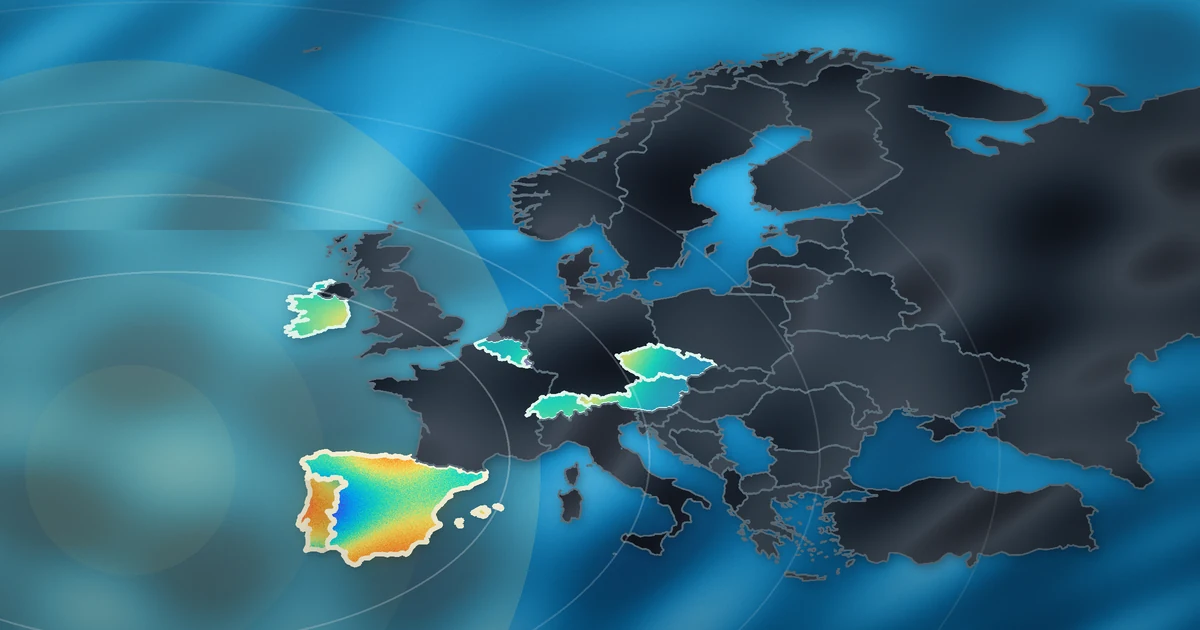
Speaking about ayahuasca in Europe as if it were one single topic can be misleading. Laws, practices, facilitation standards and safety expectations vary strongly from one country to another. A retreat may look accessible, polished and close without offering a truly serious setting.
For French speakers, the right question is not only “where is it possible?” It is rather: “in what setting, with what team, with what limits and what follow-up?”
A fragmented legal landscape
In France, ayahuasca is prohibited. In other European countries, the situation may be more nuanced, more tolerated in certain contexts or simply less clear. This diversity should not be turned into a marketing claim. If a centre summarizes the issue as “everything is legal here”, that is often a sign of weak seriousness.
A responsible discourse acknowledges uncertainty. It explains the private setting, rules, informed consent, absence of substance export and the way the centre reduces risk.
Safety criteria matter more than the country
Safety does not depend only on the map. It depends on medical screening, group size, facilitator experience, team stability and the quality of integration. A group that is too large, a constantly changing team or a centre that asks almost no questions before accepting a participant should raise concern.
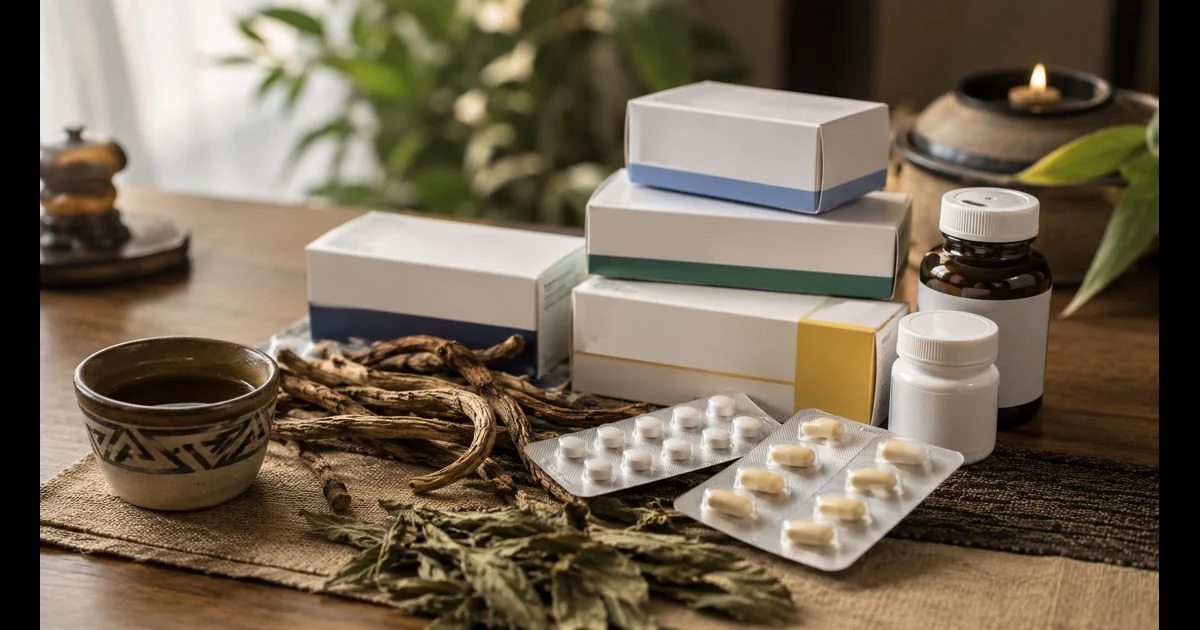
Psychiatric, cardiac and medication-related contraindications must be discussed clearly. SSRI/MAOI antidepressants, some psychiatric histories, pregnancy or certain cardiovascular conditions require strict caution.
Nearby Europe: a real advantage, but not enough
For French speakers, a retreat in Europe has practical advantages: shorter travel, easier return, possibility of staying in contact with the team, and more familiar accommodation standards. These factors can support integration.
But proximity does not replace proper holding. A nearby retreat may be poorly run. A distant retreat may be serious. The choice should be based on concrete criteria, not on exotic promises or transport convenience alone.
Why integration must be planned before the retreat
After an intense experience, many people need to speak, sort, understand and anchor what happened. If the retreat ends right after the last ceremony, participants may return with a lot of inner material but little support.
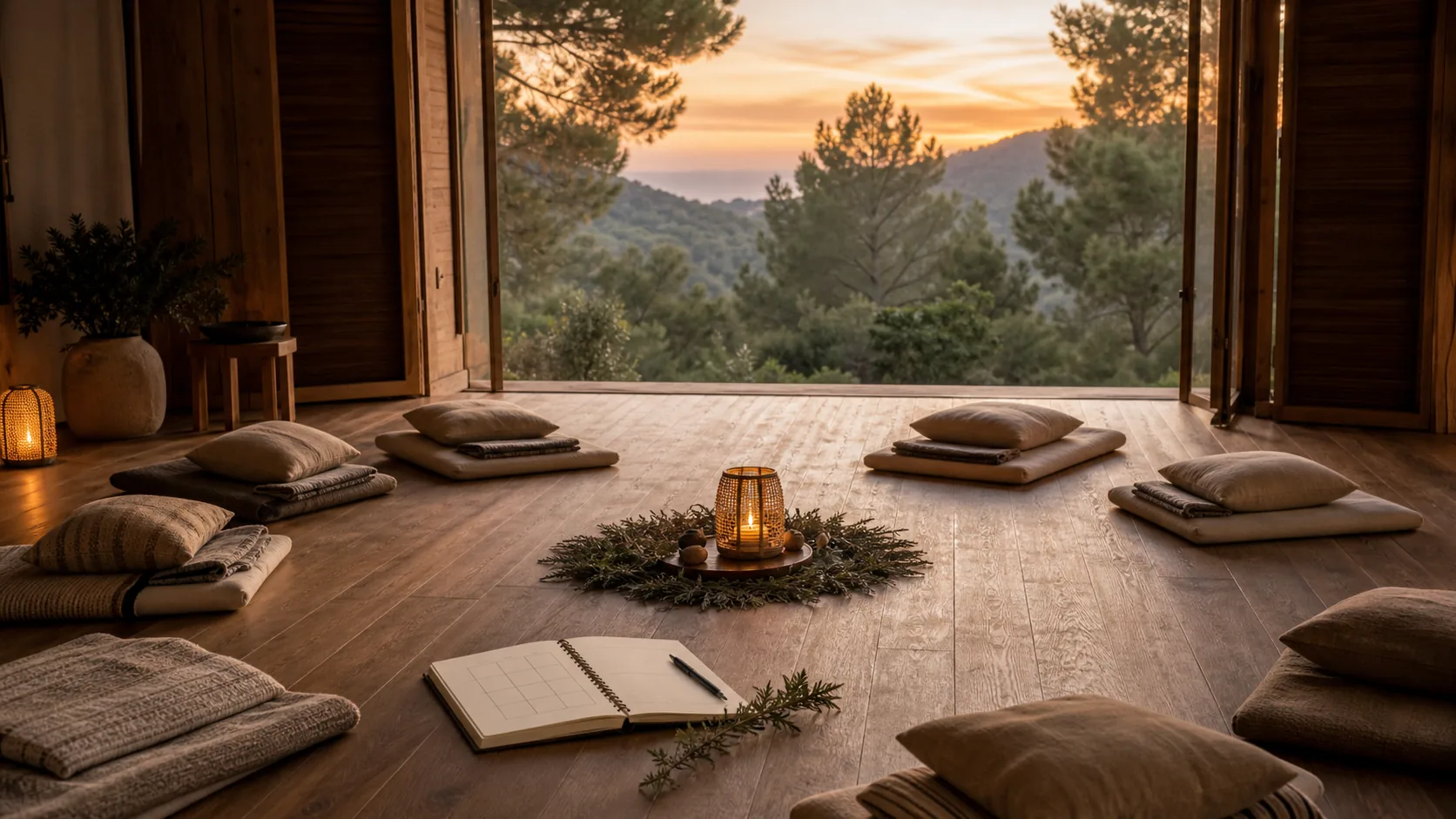
A good centre includes sharing circles, landing time, resources for the return and follow-up after the retreat. For French speakers, being able to do this in French is a real emotional safety factor. Connecta Life retreats are held in French and are intended for French-speaking or bilingual participants.
Quick checklist before choosing in Europe
- Does the centre speak clearly about risks and contraindications?
- Is there a medical questionnaire before validation?
- Is the group limited and supported by a sufficient team?
- Is the legal context presented with nuance?
- Are ceremony rules explicit?
- Is integration planned on site and after returning home?
- Can you express yourself in your language?
Conclusion
Europe offers several possibilities for people interested in ayahuasca, but it requires discernment. The best retreat is not the one that presents itself as the easiest or most spectacular. It is the one that can hold a clear, humble, cautious and human framework.