Connecta Life Guérison et Éveil Spirituel

Ayahuasca in France: Legality and Alternatives in Spain (2025)

26/10/2025 Stéphane Lavergé 12 min de lecture

Ayahuasca has been banned in France since 2005. Discover the French legal framework, the reasons for this ban, and why Spain represents the closest legal alternative for a safe and supervised ayahuasca retreat.

Ayahuasca in France: Legality and Alternatives in Spain (2025)

Is ayahuasca legal in France?

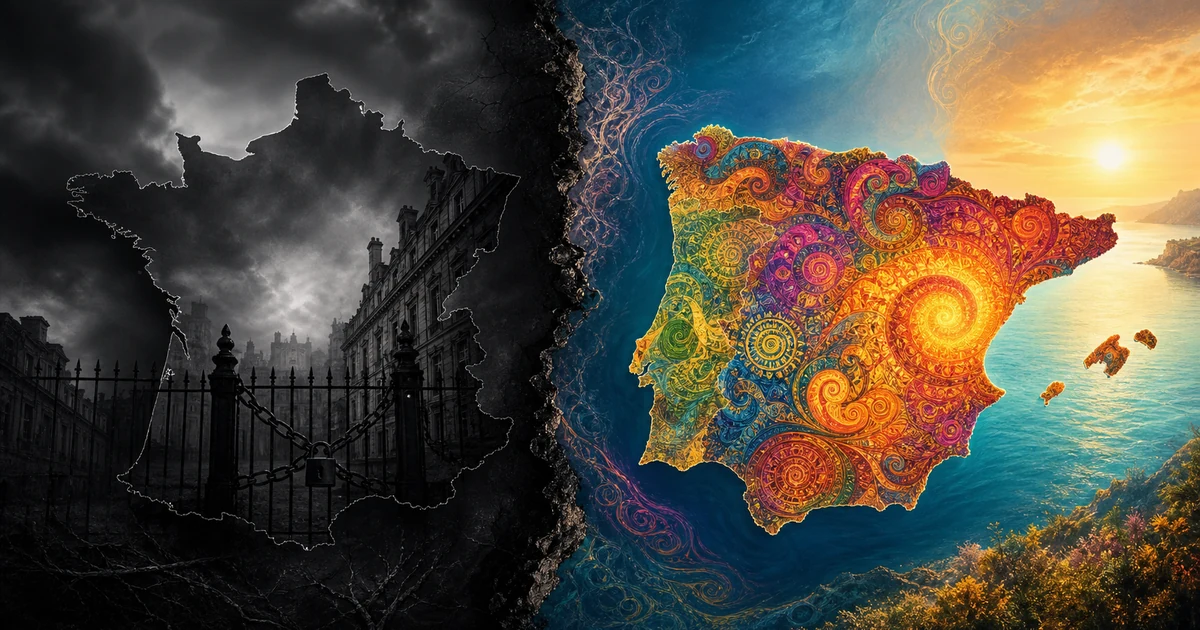
No, ayahuasca is prohibited in France. Since 2005, DMT (dimethyltryptamine), the active ingredient present in the traditional preparation of ayahuasca, has been classified as a narcotic substance in French territory. This classification makes the possession, consumption, and distribution of ayahuasca illegal in France.

This prohibition applies to all forms of this ancestral Amazonian medicine, whether used in a spiritual, therapeutic, or recreational context. There are currently no legal exceptions, even for religious or ceremonial use.

What does French law specifically say?

The decree of April 20, 2005, listed DMT among the substances classified as narcotics. The Banisteriopsis caapi vine and the leaves of Psychotria viridis, which traditionally compose ayahuasca, therefore fall under this legislation as soon as they are prepared together to create the psychoactive drink.

The penalties incurred are severe: possession can be punished by one year of imprisonment and a fine of €3,750, while organizing ceremonies can lead to up to 20 years of criminal imprisonment and a fine of €7.5 million.

Why ayahuasca is prohibited in France

France applies a strict prohibition policy regarding psychoactive substances. This approach differs significantly from that adopted by other countries, particularly in South America where ayahuasca is an integral part of cultural and spiritual heritage.

A different approach depending on the countries

Unlike countries like Peru, Colombia, or Brazil where ayahuasca is recognized as cultural heritage and its traditional use is protected, France has chosen a classification based solely on the chemical composition of the substance.

This difference can be explained by several factors: the absence of a historical tradition of use in France, a health-focused approach centered on risks, and a legal framework that does not provide exceptions for spiritual or religious practices involving psychoactive substances.

The European context

Within the European Union, legislation varies considerably. Some countries like Spain or the Netherlands adopt a more tolerant position, creating a legal gray area that allows, under certain conditions, the organization of ayahuasca ceremonies.

Legal risks in France

It is essential to clearly understand the legal consequences before considering any interaction with ayahuasca on French territory.

For participants

Participating in an ayahuasca ceremony in France exposes individuals to prosecution for drug use. Even if the intention is spiritual or therapeutic, the law makes no distinction. Those arrested risk a criminal record that can have repercussions on their professional and personal lives.

For Organizers

The penalties for those who organize ceremonies are much more severe. They fall under drug trafficking laws and can lead to significant prison sentences. Even simply facilitating access to ayahuasca is considered a serious offense.

Traveling with Ayahuasca

Bringing ayahuasca from a country where it is legal to France constitutes drug importation, subject to the same penalties as international drug trafficking. Customs checks are a reality, and the consequences can be dramatic.

Spain: A Legal Alternative Near France

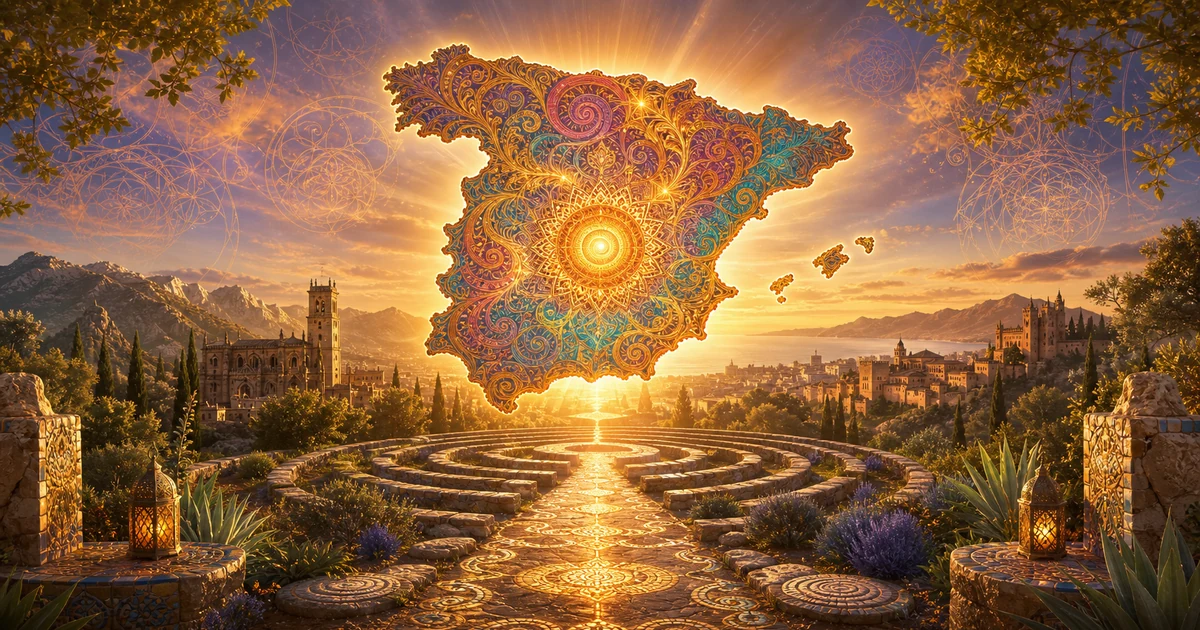
In light of this situation in France, many people are turning to Spain, a neighboring country where the legal framework is different and where ayahuasca retreats can be organized in a legal and safe context.

A More Permissive Legal Framework

In Spain, the legal situation regarding ayahuasca exists in a gray area. Although DMT is also a controlled substance, Spanish jurisprudence has repeatedly recognized the right to religious and spiritual freedom. Several courts have ruled in favor of organizations using ayahuasca in a structured spiritual context.

This tolerance particularly applies when use occurs in a ceremonial context, with appropriate supervision, and without excessive profit motives. Spanish authorities distinguish organized spiritual use from drug trafficking.

An Established Tradition of Serious Centers

Over the years, Spain has developed a genuine culture of professional ayahuasca retreats. Many centers have established rigorous protocols, work with experienced facilitators, and create safe environments for participants.

These centers have contributed to normalizing the practice and establishing quality and safety standards that protect participants while respecting the ancestral tradition of this medicine.

Why Choose Spain for Your Ayahuasca Retreat

For the French wishing to experience ayahuasca in a legal and safe setting, Spain offers numerous practical and logistical advantages.

Geographical Proximity

Spain is accessible within a few hours from France, whether by car, train, or plane. This proximity allows participation in a retreat without the need for long journeys to South America, making the experience more accessible in terms of time and budget.

For those living in the south of France, some centers are even reachable in less than two hours by car, providing a practical solution for those with family or professional constraints.

A familiar European environment

Participating in a retreat in Spain means staying in a European cultural environment, with familiar safety and hygiene standards. No specific vaccinations required, no time zone difference, and ease of communication for French speakers.

Experienced and trained facilitators

Serious centers in Spain work with facilitators who have often been trained directly in the Amazon, who deeply understand the ayahuasca tradition, and who know how to create a sacred and safe space.

A legal framework that protects participants

Unlike a clandestine ceremony in France, participating in a retreat at an established center in Spain places you in a setting where the activity is tolerated and where organizers can operate openly, ensuring better quality supervision and follow-up.

How to choose an ayahuasca retreat in Spain

Not all centers are equal. It is essential to take the time to carefully choose where you will experience this deep and transformative journey.

Essential criteria

The experience of the facilitators: Inquire about their training, number of years of practice, and their connection to the Amazonian tradition. A good facilitator should have a deep understanding not only of ayahuasca but also of supporting the emotional and psychological processes that may arise.

The size of the groups: Small groups (8-15 people maximum) allow for more personalized support and create a more intimate and reassuring dynamic.

The safety protocol: A serious center conducts medical and psychological screening before accepting participants, has an emergency protocol in place, and has facilitators trained in first aid.

The environment: The location should offer a natural, calm setting conducive to introspection. The quality of the facilities (accommodation, ceremony spaces, rest areas) is also important for your comfort and safety.

Questions to ask

Before committing to a retreat, do not hesitate to ask questions:

  • What is the origin of the ayahuasca used?
  • How is the medicine prepared?
  • What is the ratio of facilitators to participants?
  • Is there follow-up after the retreat?
  • What are the medical contraindications?
  • How are difficult situations managed during the ceremonies?

A transparent and professional center will take the time to answer all your questions and provide you with detailed information before your arrival.

Preparing for an ayahuasca retreat in Spain

Good preparation is essential to make the most of your experience and ensure your safety.

Physical preparation

Most centers recommend a specific diet in the days or weeks leading up to the retreat. This generally includes avoiding certain foods (red meat, dairy products, fermented foods, strong spices), alcohol, recreational drugs, and sometimes even salt and sugar.

This preparation is not merely symbolic: some foods can dangerously interact with the components of ayahuasca, particularly those containing tyramine. It is crucial to follow these recommendations to the letter.

Medical preparation

Some medications are incompatible with ayahuasca, including antidepressants (particularly SSRIs and MAOIs), anxiolytics, and certain heart treatments. It is imperative to be transparent with the organizers about your medical history and ongoing treatments.

If you are on medication, consult your doctor and the retreat organizers to determine if you need to temporarily stop your medication and, if so, under what protocol.

Mental and spiritual preparation

Ayahuasca is not a recreational experience. Take the time before your retreat to clarify your intentions: why do you want to have this experience? What questions do you carry? What inner work are you ready to undertake?

Many centers also recommend reducing distractions in the days leading up to the retreat: less screen time, more time in nature, meditation, or contemplation.

Practical aspects

Transportation: Plan your journey considering that you will need time to return to yourself after the ceremonies. Avoid planning to drive immediately after the end of the retreat.

Duration: Retreats generally last from 3 to 7 days. Plan for a few extra days afterward to integrate the experience before resuming your usual activities.

What to bring: Comfortable and warm clothing (nights can be cool), a headlamp, your toiletries, and possibly a journal to note your reflections.

Integration: the work after the retreat

The experience with ayahuasca does not end at the conclusion of the last ceremony. The integration of what has been experienced is often considered the most important part of the process.

What does "integrate" mean?

To integrate means to make sense of what has been experienced, and above all, to translate the insights received into concrete changes in your daily life. Without this integration work, even the deepest experiences can dissipate without leaving a lasting transformation.

How to integrate effectively

Take your time: Do not rush back to your normal life. Allow yourself a few days of calm after the retreat to continue observing what is happening within you.

Keep a journal: Writing regularly about what you have experienced and what continues to emerge helps clarify and anchor the insights received.

Find support: Talk about your experience with trusted individuals who can understand. Some centers offer online follow-up sessions. There are also integration circles and therapists specialized in post-ayahuasca support.

Make gradual changes: If ayahuasca has shown you aspects of your life that require changes, proceed step by step. Lasting transformations are generally gradual.

Frequently asked questions about ayahuasca and France

Can I bring ayahuasca from abroad to France?

No, absolutely not. Bringing ayahuasca into France constitutes the importation of narcotics, a serious offense punishable by heavy criminal penalties. Customs checks are a reality, and the consequences can be very severe: imprisonment, significant fines, and a criminal record.

Even if you have participated in a legal ceremony abroad, this does not authorize you in any way to transport the substance to France.

Are there any religious or spiritual exceptions in France?

No, French legislation currently does not provide any exceptions for the religious or spiritual use of ayahuasca. Unlike some countries that have recognized the right of certain religious organizations to use ayahuasca in their practices, France applies its drug legislation without distinction of the context of use.

Several organizations have attempted to obtain exemptions by invoking freedom of worship, but these requests have been systematically rejected by French courts.

What is the difference between Spanish and French legislation?

The main difference lies in the interpretation and application of the law. Although DMT is also regulated in Spain, Spanish courts have repeatedly recognized that the use of ayahuasca in a structured spiritual setting falls under religious freedom and does not constitute drug trafficking.

France has not developed this case law and strictly applies its classification of narcotics without consideration for the context of use. This difference in approach reflects distinct legal philosophies regarding individual and religious freedoms.

Can ayahuasca be decriminalized in France in the future?

It is difficult to predict the evolution of legislation. However, there is a growing interest in psychedelic substances in a therapeutic context in several Western countries. Scientific research is underway on the therapeutic potential of these substances to treat depression, anxiety, post-traumatic stress, and addictions.

If this research continues to show promising results, it is possible that legal frameworks will evolve in the coming years. Several cities in the United States have already decriminalized certain natural psychedelic substances, and Oregon has legalized the therapeutic use of psilocybin.

In France, any change in legislation would likely first require a shift in mindset and an accumulation of solid scientific evidence on the therapeutic benefits in a controlled setting.

How much does an ayahuasca retreat cost in Spain?

Prices vary significantly depending on the center, the duration of the retreat, and the services included. Generally, expect to pay between €300 and €800 for a weekend (2-3 days), and between €800 and €2000 for a week-long retreat.

These prices typically include accommodation, meals (suitable for the diet), ayahuasca ceremonies, and support from facilitators. Some centers also offer complementary activities such as yoga, meditation, or integration workshops.

Beware of abnormally low prices that may indicate a lack of professionalism or safety. The preparation of quality ayahuasca, the maintenance of an appropriate venue, and the salaries of experienced facilitators represent real costs.

Is it dangerous for health?

Ayahuasca is not without risks, which is why a serious and professional setting is essential. The main risks are:

Drug interactions: Some medications can create dangerous, even fatal interactions with ayahuasca. This is particularly true for antidepressants, which can cause serotonin syndrome.

Heart conditions

Ayahuasca temporarily increases heart rate and blood pressure. People with cardiovascular issues should be extremely cautious.

Psychiatric conditions: Individuals with a history of psychosis, schizophrenia, or bipolar disorder may experience exacerbated symptoms. A psychological screening is essential.

Physical purges: Vomiting and diarrhea are common and considered part of the purification process, but they can be unpleasant and, in rare cases, lead to dehydration.

This is why a serious center requires a detailed medical questionnaire before accepting your participation and has protocols in place to manage medical or psychological emergencies.

Discover our ayahuasca retreats in Spain

The House of Ayahuasca organizes retreats in Spain in a legal, safe, and deeply respectful setting of the Amazonian tradition. We create a sacred space where each participant can embark on their inner journey under the best conditions.

Our approach

We believe that ayahuasca is a powerful medicine that deserves to be approached with respect, humility, and preparation. Our retreats combine the ancestral wisdom of Amazonian traditions with a modern understanding of psychological support and safety.

Each retreat is limited in the number of participants to ensure personalized support. Our facilitators are trained in the Amazon and have years of experience in guiding ceremonies.

Why choose us

Proximity: Our retreats take place in Spain, easily accessible from France.

Safety: We apply a strict protocol for medical and psychological screening, and our facilitators are trained to handle any emergency situation.

Authenticity: Our ayahuasca is prepared according to Amazonian tradition, and our ceremonies respect the spiritual protocols passed down by indigenous peoples.

Support: We do not just administer ayahuasca. We create a comprehensive framework for preparation, ceremony, and integration to ensure your experience is truly transformative.

Post-retreat follow-up: We remain available after your departure to support you in your integration process.

Next steps

If you feel the call of ayahuasca and wish to experience this in a legal, safe, and authentic setting, we invite you to discover our various retreats and contact us with any questions.

The journey with ayahuasca is a path of deep transformation. We would be honored to accompany you on this journey.

Partager cet article

Articles récents